
News That Fits Between Stops
Today we explore designing daily news briefs and summaries for the commuter audience, turning crowded mornings into clear, informed starts. We focus on concise structure, humane pacing, and cross-channel delivery that respects safety, spotty connections, and one-handed use. Expect practical patterns, newsroom-friendly workflows, and engagement prompts that invite replies, saves, and shares, so riders get exactly what matters before the next stop, without noise, panic, or wasted time.
Understanding Rush-Hour Realities
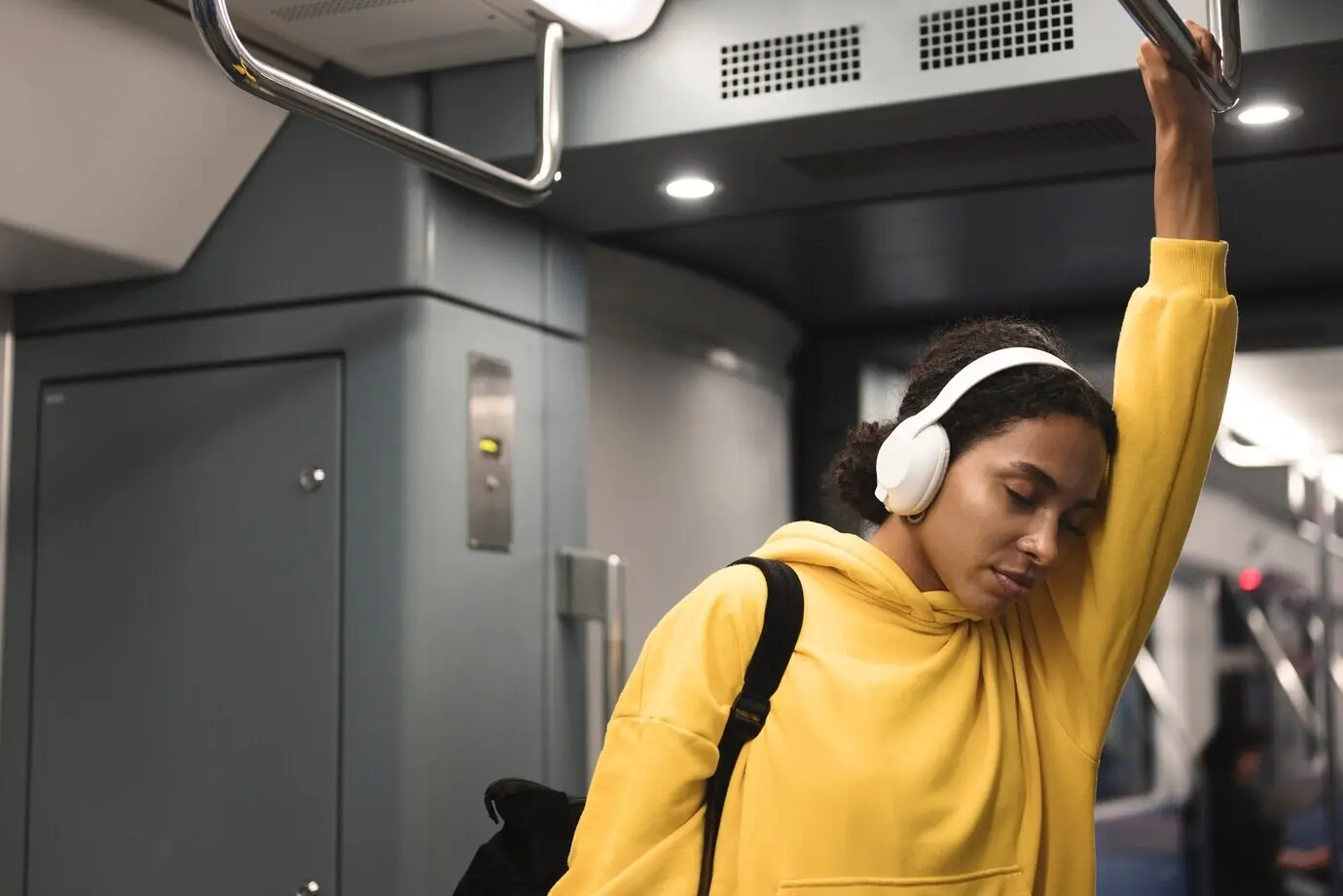
Morning movement is fragmented, noisy, and frequently offline. Riders juggle bags, transfers, and shifting attention while navigating stairs, screens, or steering wheels. Designing for these realities means planning for short focus bursts, intermittent connectivity, variable lighting, and the priority of safety over novelty. Empathy translates into format choices, delivery timing, and pacing that never demands more than a commuter can offer during those precious, in-between minutes.

Personas on the Move
Map the differences between a subway rider with gloved hands, a bus passenger balancing a coffee, a cyclist relying on audio cues, and a driver depending on strictly hands-free experiences. Each situation shapes duration, interaction, and content density. Use observational notes, quick intercept interviews, and analytics to validate assumptions and design humane, reliable briefings that respect context and safety first.
Time-Boxed Layers
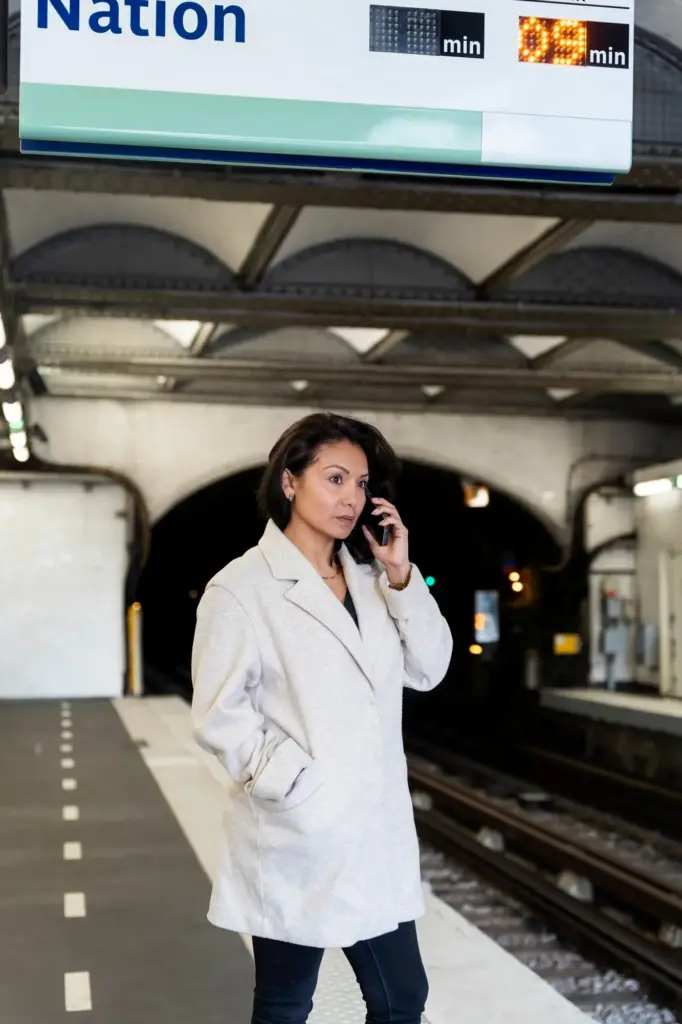
Structure updates into layers matching typical pauses in motion: a thirty-second glance, a ninety-second sweep, and a three-minute deeper catch-up. Each layer should stand alone and invite continuation without frustration. This approach acknowledges arrivals, transfers, notifications, and signal drops while rewarding the next available moment with continuity, not repetition. Commuters feel guided, not pressured, to go deeper only when time allows.
Words That Land in Seconds
Writing for motion means compressing complexity without flattening meaning. Use front-loaded sentences, verbs that clarify stakes, and plain language that respects intelligence under pressure. Headlines should answer what changed and why it matters right now, while sublines provide just enough context to reduce searching. Aim for calm precision over drama, avoiding alarmist phrasing that steals attention but erodes trust and comprehension.





Channels Built for Motion
Deliver where commuters already glance or listen: lock screens, watches, earbuds, and in-app cards designed for one-handed use. Coordinate text, audio, and light visuals into a coherent morning flow. Prioritize offline caches, smart retries, and adaptive bitrates for subways. Consistent tone and sonic cues reduce cognitive load. The goal is effortless continuity, no matter which channel the next moment allows.
Offline-First Delivery
Bundle the morning’s briefs, audio, and visuals before departure, verifying integrity with lightweight checksums. If connectivity drops, everything important still loads. On a rainy Monday underground, our test group experienced repeated dead zones, yet completion stayed steady thanks to prefetching. Offline-first turns unreliable networks into non-events, protecting trust and letting the craft of clarity carry the experience forward.
Readable at a Glance
Use generous line height, high-contrast palettes, and sentence case for smooth scanning. Keep paragraphs short, but not choppy, and limit link clutter that tempts accidental taps on bumpy rides. Provide a quick toggle for larger text. Ensure headlines and key stats remain legible on small screens held at awkward angles, acknowledging real-world ergonomics rather than idealized studio conditions.
Personal, Local, and Trustworthy
Customization should reduce noise, not narrow horizons. Let commuters pick regions, interests, and quiet times while preserving serendipity and balanced viewpoints. Blend local service alerts with global context so mornings feel practical and informed. Be transparent about sources, corrections, and sponsorships. Avoid sensational framings. Trust grows when people understand how stories were built and why this update appeared for them.
Preference Onboarding
Use a two-minute setup to capture preferred cities, commute windows, and content depth. Offer opt-in alerts for service disruptions, weather, and breaking policy changes. Explain exactly how choices shape delivery to prevent confusion or filter fatigue. Provide a periodic reminder to review settings. Clear, respectful onboarding reduces unwanted pings and surfaces precisely the briefs riders appreciate during hectic mornings.
Neighborhood Awareness
Tie updates to neighborhood relevance without creeping personalization. Show how a policy vote affects local schools or transit lines. Summarize weekend closures, detours, and station upgrades alongside national headlines. When commuters recognize direct impact, they return daily and share responsibly. Maintain strict privacy standards while using coarse location or user-selected areas to keep information helpful, not invasive or unsettling.
Ethical Personalization
Set guardrails that avoid echo chambers: include dissenting perspectives, label opinion, and cap repetition of emotionally charged topics. Offer a one-tap control to broaden coverage temporarily. Explain data use in plain words, with easy opt-outs. This respectful stance protects attention, reduces anxiety, and builds a steady relationship where commuters feel informed, not manipulated, even during fast-moving news cycles.
Learning Fast, Iterating Faster
Treat mornings as continuous experiments. Track completion, saves, listening drop-off, and tap intent rather than clicks alone. Pair analytics with rider notes gathered on platforms and buses. Run small A/B tests on headlines, context capsules, and delivery times. Share results with editors quickly. Invite readers to reply with short feedback prompts, making improvement part of the daily rhythm, not an occasional project.