
Crisp Voices on the Move: Short Podcasts That Defy Transit Noise
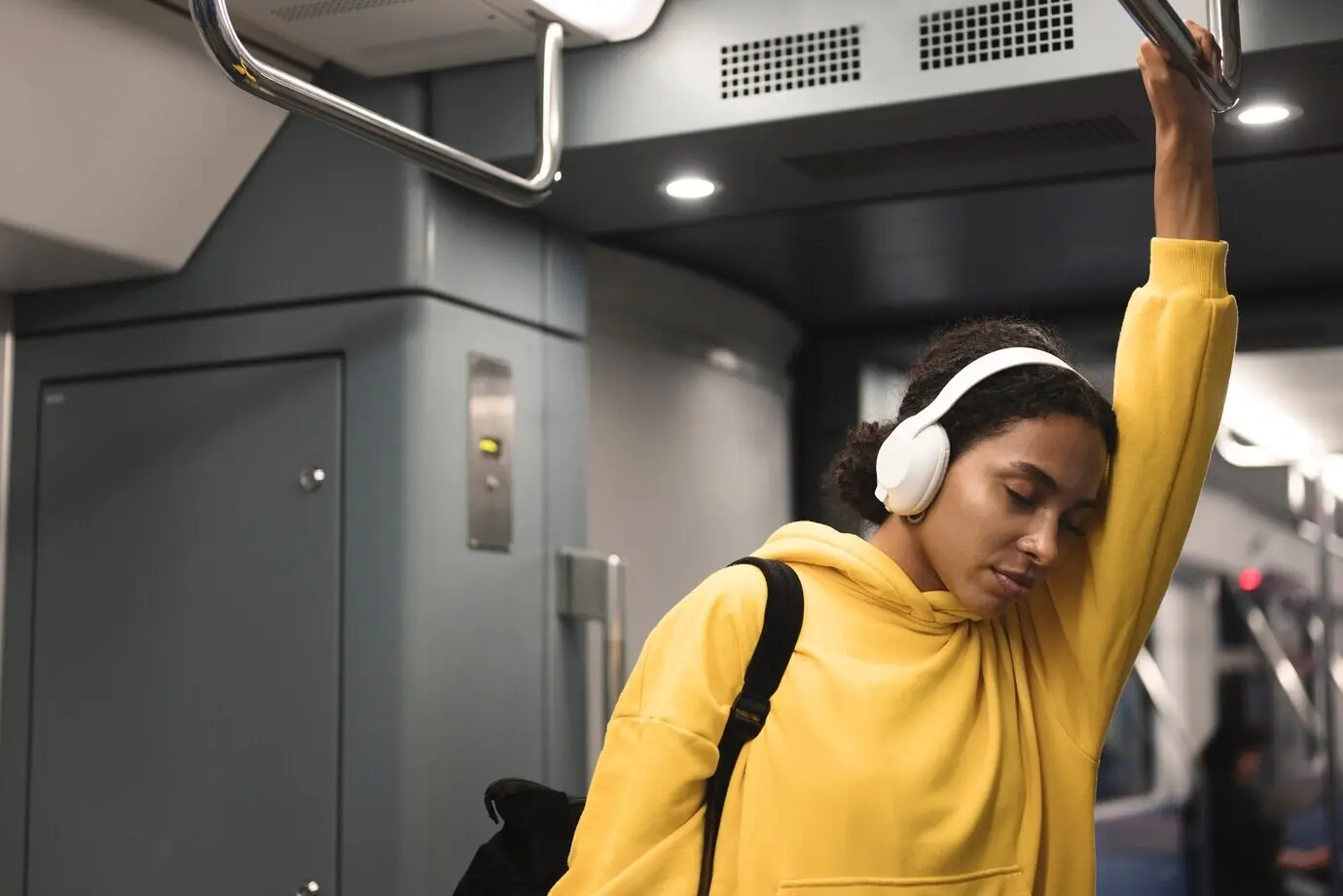
Join us as we dive into sound engineering techniques for short-form podcasts in noisy transit environments, from subways and buses to stations and streetcars, transforming chaotic surroundings into compelling, intelligible audio. You will learn capture methods, nimble workflows, and post-production tools that preserve clarity without erasing authentic atmosphere. Expect actionable tips, field-tested anecdotes, and gear suggestions tailored to creators who record on the go and publish fast, inviting your questions and participation along the way.

Choosing the calmest pocket in a moving vehicle

Mid-car zones away from doors, joints, and wheels often reduce thumps and pressure bursts. Sit where airflow is steadier and loudspeakers are off-axis. Test brief room tone while rolling, noting resonances. Adjust posture and mic orientation to maintain consistent rejection as the vehicle accelerates, brakes, or curves through tunnels that amplify low-frequency roar. Small location shifts frequently deliver perceptible clarity gains without extra gear or complex processing later.

Gain staging for unpredictable peaks

Transit PA chimes, braking squeals, and passing trains spike suddenly. Pre-pad if your mic allows, keep peaks around -12 dBFS, and leave clean headroom. Favor conservative preamp gain with closer placement, not distant boosts. Use limiter safety only as a last fence, and rehearse a quiet hand cue to pause or repeat lines without breaking flow. These habits maintain intelligibility and prevent harsh clipping that distracts listeners during short segments.

Let ambience support, not smother, the message
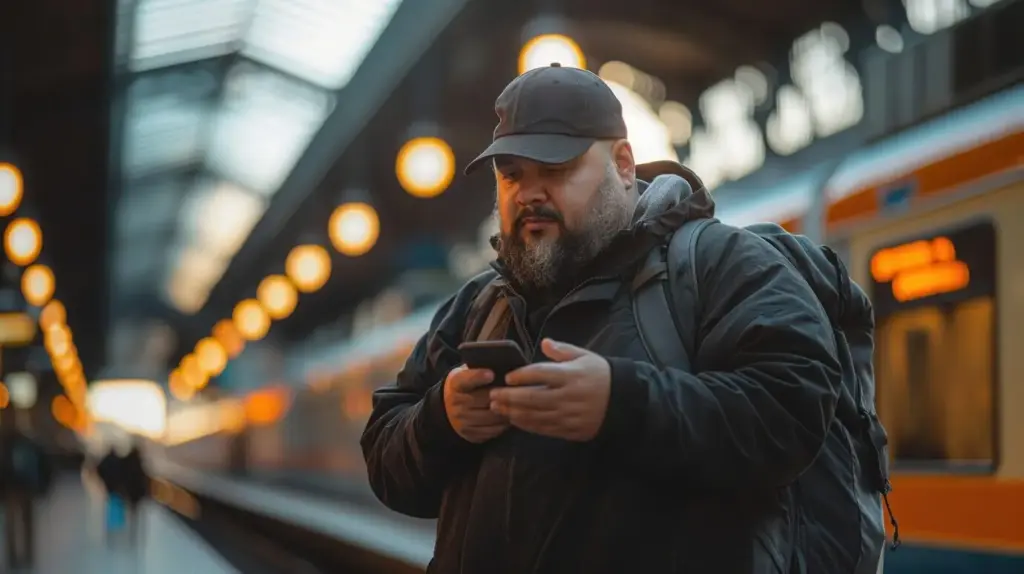
Capture 15-30 seconds of clean atmosphere to layer thoughtfully later. During dialogue, angle directional mics to keep mechanical rhythms behind the nulls. If a signature sound passes, like a door whoosh or crossing bell, acknowledge it briefly in script timing, then pivot back quickly. This approach preserves rhythm while keeping words crisp and emotionally grounded, turning the bustle into context rather than competition for the listener’s attention.

Microphones, Mounts, and Placement That Travel Well

Lavalier setups that survive jackets, scarves, and seatbelts

Use a transparent over-cover and fur dot to tame wind, secure the capsule in a fabric knot or vampire clip inside a lapel gap, and create a strain-relief service loop. Select low-handling cable, tape contact points, and monitor for clothing resonance near 200-400 Hz. Adjust wardrobe to avoid nylon swish and zipper chatter. With practice, lavaliers deliver discreet, stable tone even during jostling crowds and quick seat changes.

Compact shotgun discipline in tight quarters

Use a transparent over-cover and fur dot to tame wind, secure the capsule in a fabric knot or vampire clip inside a lapel gap, and create a strain-relief service loop. Select low-handling cable, tape contact points, and monitor for clothing resonance near 200-400 Hz. Adjust wardrobe to avoid nylon swish and zipper chatter. With practice, lavaliers deliver discreet, stable tone even during jostling crowds and quick seat changes.

Headset dynamics for unwavering proximity

Use a transparent over-cover and fur dot to tame wind, secure the capsule in a fabric knot or vampire clip inside a lapel gap, and create a strain-relief service loop. Select low-handling cable, tape contact points, and monitor for clothing resonance near 200-400 Hz. Adjust wardrobe to avoid nylon swish and zipper chatter. With practice, lavaliers deliver discreet, stable tone even during jostling crowds and quick seat changes.

Taming Rumbles, Screeches, Wind, and Echo

Transit adds sub-bass rumble, metallic screech harmonics, gusts from arriving cars, and reflective tile slap. We build a layered defense combining physical tools, recording decisions, and post-production restraint. Expect frequency targets, filter slopes, and realistic thresholds that safeguard voice texture. The goal is believable presence that rides the environment rather than crushing it into brittle, underwater-sounding artifacts. Balance matters more than perfection when episodes are short and punchy.

High-pass filters and rumble management with intention

Engage gentle slopes first: 12 dB per octave at 70-90 Hz for deeper voices, 90-120 Hz for lighter voices. Stack hardware low-cut and software HPF cautiously to avoid phase issues. If tracks accumulate, deploy surgical low shelves per channel, not a brutal global cut. Track wind with a brief tone marker so you can match filtering later, resulting in consistency across edits and transitions.

Dynamic control without pumping or gate chatter

Use multiband expansion to ease constant mid-band roar while leaving sibilance intact. Set slow releases so ambience breathes naturally between phrases. A wideband gate will stutter in transit; prefer spectral denoise with conservative reduction and frequent learn captures. Let the noise floor exist quietly, trading surgical perfection for intelligibility and emotional continuity, maintaining a cohesive experience across stops and sudden announcements.

Agile Recording and Narrative Workflows for Short Episodes

Short-form pieces reward clarity, pacing, and minimal retakes. Streamline planning with micro-outlines, timeboxed segments, and pre-recorded IDs. Capture B-roll ambience intentionally for transitions. Label files on the move with voice slates. Build repeatable rituals that lower cognitive load so your attention stays on safety, story, and mic technique amid constant motion. Speed comes from preparation, not rushing, and pays dividends in editing efficiency.

A pocketable checklist that saves takes

Confirm batteries, storage, backup recorder, wind protection, HPF state, limiter status, monitoring volume, and slate format before boarding. Script concise openers that survive unexpected interruptions. Establish hand signals with collaborators. Mark retakes verbally and with visible gestures. The tiny discipline of a thirty-second checklist prevents avoidable disasters, preserves momentum, and frees creative bandwidth for spontaneous observations that delight listeners and reward repeat play.

Structuring one-take narratives with planned pivots

Write modular beats: hook, context, scene shift, reflection, and sign-off. Insert natural pause points where you can restart between door chimes. Keep lines under breath length to reduce gasps captured by close miking. If a distraction becomes useful texture, acknowledge it in one line, then pivot, maintaining momentum without pretending the environment is silent, thus preserving honesty and rhythm.

File naming, notes, and backups while in motion

Adopt a simple pattern spoken on slate—date, route, segment ID—so imports group cleanly. Snap a quick photo of the car number or station sign for metadata. Mirror recordings to a phone or tiny USB drive during transfers. Small redundancies protect irreplaceable moments when you cannot recreate the commuting chaos, ensuring continuity even if your primary card fails unexpectedly.

Post-Production Polish That Respects the Commute

Editing on tight deadlines benefits from purposeful steps and restraint. Sketch a fast chain: trim, spectral repair, denoise, EQ, dynamics, sweetening, and loudness. Loudness targets differ by platform; aim for consistent listener comfort across earbuds and car stereos. The guiding principle remains simple: protect the voice, preserve context, and prevent listener fatigue. Clear documentation lets you reproduce results quickly across future episodes.

Navigating legal and ethical boundaries

Transit systems vary widely: some permit casual recording; others restrict commercial production. Research policies, respect private conversations, and obtain releases when voices are identifiable. Avoid blocking doors or filming security infrastructure. Clear introductions reduce confusion. Politeness and transparency build trust that outlasts a single segment, protecting your reputation with staff and riders and reducing the chance of costly interruptions mid-take.

Safety practices that keep everyone comfortable
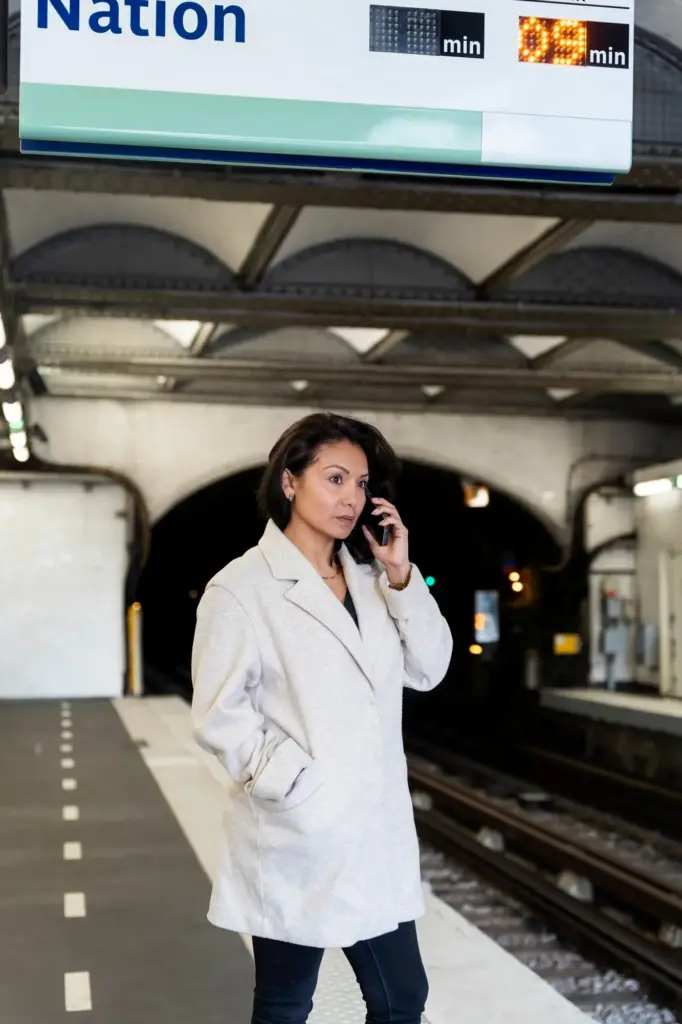
Secure cables to clothing, keep stands compact, and never chase moments near platform edges or tracks. Maintain awareness rather than burying both ears in closed-back headphones. Choose low-profile rigs at crowded hours. If someone expresses discomfort, de-escalate, move cars, or pause entirely. An extra ride is cheaper than repairing harm or replacing damaged gear, and it preserves goodwill.

Invite your audience into the journey

Ask listeners to send route recommendations, soundscapes from their commute, and questions about techniques they want tested next week. Encourage comments and email replies, and offer a lightweight newsletter with gear settings, session templates, and preset downloads. Participation turns anonymous noise into shared discovery, strengthening loyalty while giving you real-world testbeds to refine workflows and celebrate wins together.
Pefukumuxaxikakuxezazo
Privacy Overview

This website uses cookies so that we can provide you with the best user experience possible. Cookie information is stored in your browser and performs functions such as recognising you when you return to our website and helping our team to understand which sections of the website you find most interesting and useful.